Simple Ways to Overcome Burnout and Stay in Control

In today’s high-pressure professional landscape, the mantra often seems to be "more, faster, harder." However, as any seasoned leadership writer will tell you, leaders are not simply born; they are made through continuous growth and experience. The greatest challenge on this path isn't just managing a team—it's managing yourself to prevent the chronic exhaustion known as burnout. Burnout is more than feeling tired; it is a profound, chronic exhaustion of mind, body, and spirit that manifests through cynicism and a diminished sense of personal accomplishment.
To lead effectively in the long term, you must first master the art of leading yourself. Here is how to use agency, accountability, and emotional intelligence to protect your well-being.
1. The Core of Resilience: Internal Locus of Control
At the heart of leadership accountability lies the concept of locus of control. Leaders with an internal locus of control believe that their own decisions and efforts drive their success. This mindset is essential for burnout prevention because it fosters a sense of agency—the feeling that you are in the driver's seat of your own life.
When stress becomes extreme, it has the power to diminish our sense of self and leave us feeling hopeless. By taking responsibility for your decisions and focusing on the factors you can influence, you prevent the "negative filtering" that makes failure feel like a self-fulfilling prophecy. As Bill George famously noted, the hardest person you will ever have to lead is yourself.
2. Emotional Intelligence as a Shield
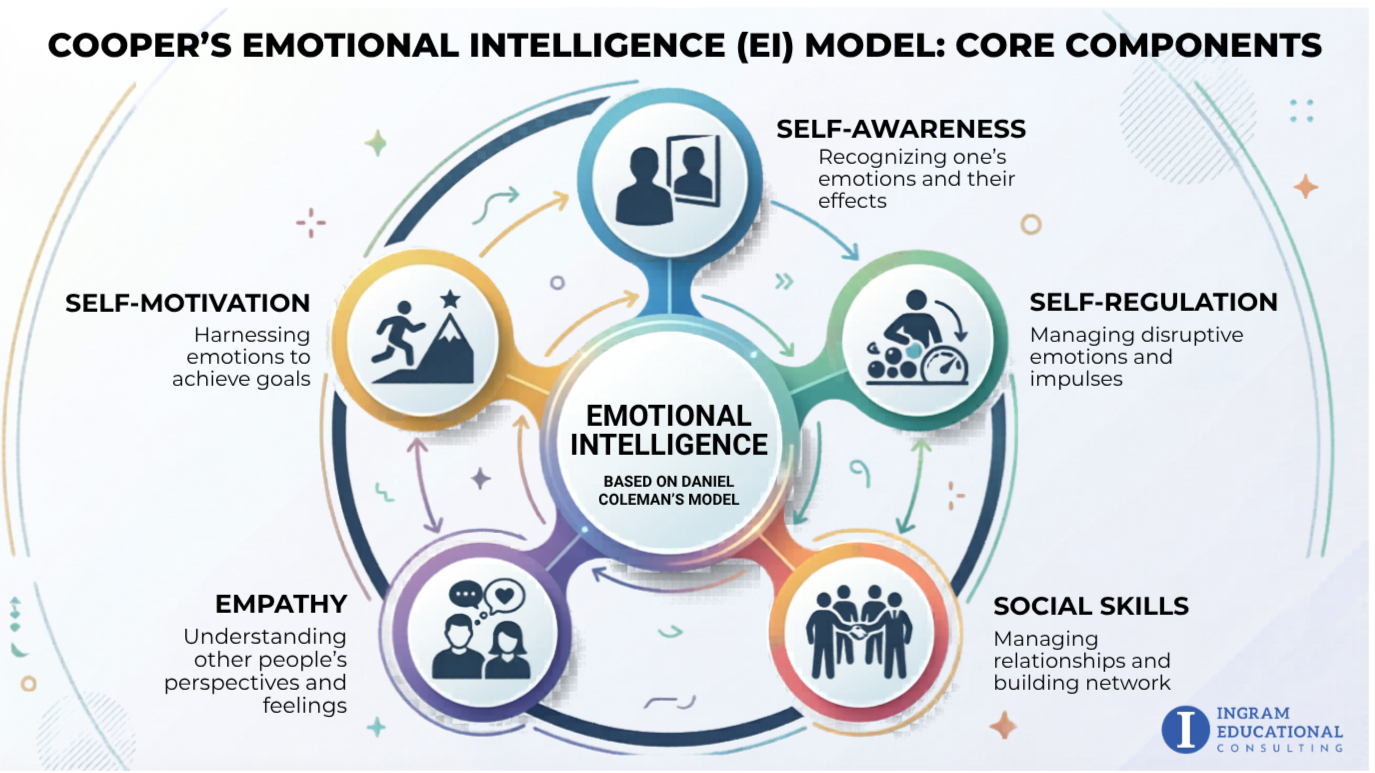
Emotional Intelligence (EI) is a critical predictor of success in high-pressure environments. It consists of five key dimensions: self-awareness, self-regulation, self-motivation, empathy, and social skills.
Self-Awareness: This is the cornerstone of EI. You must learn to recognize your personal stress signals, such as tension headaches or irritability, before they escalate into overwhelm.
Self-Regulation: Managing your internal impulses allows you to stay calm under high stress or during a crisis.
Self-Motivation: Setting challenging but measurable goals helps you view setbacks as opportunities rather than threats.
3. The Art of Cognitive Reframing
Leaders often fall into "cognitive distortions," such as catastrophizing (assuming a critique from a boss means you’ll be fired) or black-and-white thinking. To combat this, use cognitive reframing to identify unhelpful thought cycles and replace them with constructive ones.
A simple method to practice this is the "Catch it, Check it, Change it" model:
Catch it: Recognize a negative or distorted thought.
Check it: Question its validity. Ask, "What evidence do I have to support this?".
Change it: Replace the thought with a more balanced, realistic perspective.
4. Strategic Boundaries and the Power of "No"
Many high achievers fear that saying "no" will lead to missed opportunities, but taking on too much leads to ineffectiveness. Boundary setting is a sophisticated application of self-management. It involves:
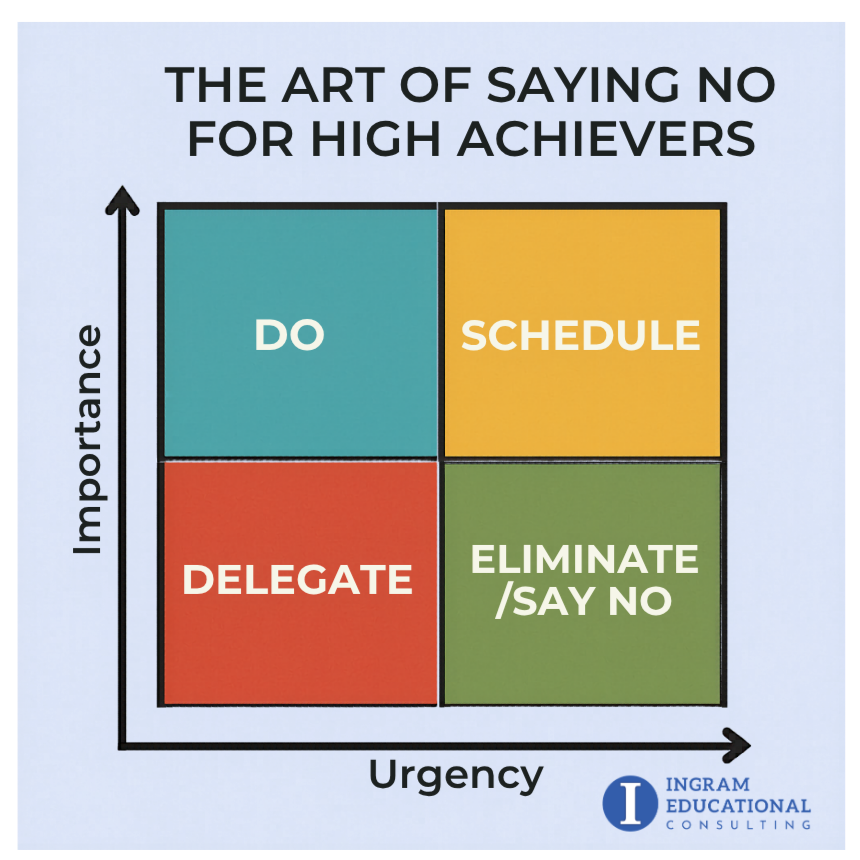
Prioritizing high-impact tasks: Using a priority matrix to focus mental resources on what truly matters.
Protecting your time: Creating "no-meeting" blocks and sticking to set work hours.
Scheduling "Oasis Moments": Taking intentional breaks away from screens to reset your nervous system.
Final Thoughts: Success is a Marathon
In fast-paced hubs like New York City, where over 30% of adults report symptoms of anxiety or depression, it is easy to get caught up in the race. But remember: success is a marathon, not a sprint. By prioritizing self-care—including quality sleep, balanced nutrition, and physical activity—you sustain the energy and focus required for the long haul.

True leaders don't wait for a position of power to begin their journey; they lead themselves first by understanding their strengths, defining their values, and taking accountability for their own well-being. Your job is not your identity—protecting your mental health is your most important leadership duty.
Sources
13 Leadership Blogs Every Person Under 30 Should Read - NeedMyService
18 Leadership Blogs You Should Be Reading Every Week - The Grossman Group
Balancing Ambition and Mental Health: 7 Essential Strategies for High Achievers
Blogging and thought leadership: establishing authority in your niche | Penn LPS Online
Cognitive Reframing: How It Works, What It Helps, and More - Everyday Health
Emotional Intelligence [PDF]
Emotional intelligence - Wikipedia
Four Cornerstone Model of Emotional Intelligence - Wikipedia
Leading Yourself First | Lead Read Today - Fisher College of Business
Locus of Control, Accountability and Leadership - flowprofiler®
Mastering Self-Management and Self-Awareness in High-Pressure Workplaces - Ahead App
Navigating Work Stress: Proactive Stress Management Strategies for NYC Professionals
Preventing Burnout: A Guide to Protecting Your Well-Being - Psychiatry.org
Przywództwo służebne – Wikipedia, wolna encyklopedia
Robert K. Greenleaf - Wikipedia
Servant leadership - Wikipedia
The Emotional Intelligence Appraisal - Wikipedia
The Introvert's Guide to Networking in NYC - DESK Magazine - Tobias van Schneider
WBG Young Professionals Program | World Bank Group
About the Author
Orville Ingram is an executive director in special education and the founder of Ingram Education and Consulting, a leadership development and executive coaching practice serving educators and organizations committed to equity-driven instruction. His work focuses on the intersection of leadership, instructional design, and systems-level change.
For more blogs, always visit our website.